Library
Reads that change how you think about facility risk.
Capital timing, deferred maintenance, pilot delivery, and what better facility decision-making actually looks like — explained plainly for the people making the calls.

New writing for operators, planners, and finance teams.
The library now covers buying motion, CMMS rollout, backlog triage, deferred maintenance cost, pilot delivery, and board-ready capital planning.

How Facilities Teams Build Board-Ready Capital Requests
The best capital requests do not start with age alone. They connect consequence, timing, cost of delay, and the exact decision leadership is being asked to fund.

What a 30-Day CMMS Rollout Should Look Like
The first 30 days should end with one usable facility, live work orders, recurring PMs, and technician habits strong enough to keep going.
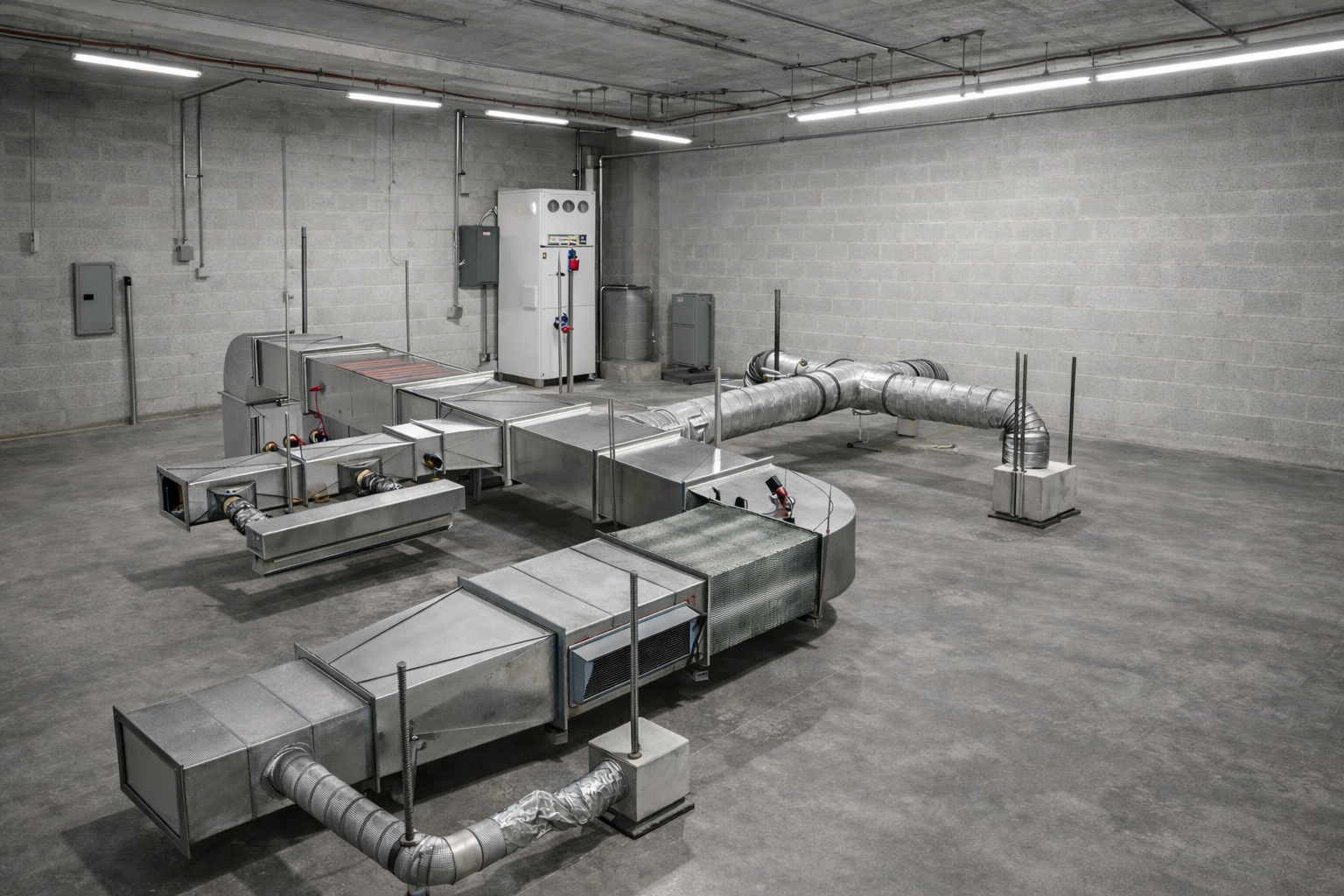
Why Deferred Maintenance Turns Into Emergency Spend
Most emergency replacements are not expensive because the asset failed. They are expensive because the team lost control over timing, labor, procurement, and operational disruption all at once.
Filter the library by the question you are trying to answer.
Use the filters below to jump straight to rollout questions, capital planning logic, cost-of-delay framing, or the buying path between CMMS and guided intelligence.
How Facilities Teams Build Board-Ready Capital Requests
The best capital requests do not start with age alone. They connect consequence, timing, cost of delay, and the exact decision leadership is being asked to fund.
What a 30-Day CMMS Rollout Should Look Like
The first 30 days should end with one usable facility, live work orders, recurring PMs, and technician habits strong enough to keep going.
Why Deferred Maintenance Turns Into Emergency Spend
Most emergency replacements are not expensive because the asset failed. They are expensive because the team lost control over timing, labor, procurement, and operational disruption all at once.
How Facilities Teams Triage Backlogs Without Losing the Week
Backlog triage is not about pretending every ticket is urgent. It is about making the next few moves obvious and protecting the week from noise.
What a 90-Day Facility Pilot Should Actually Deliver
A good pilot should not feel like a soft sales process. It should leave the buyer with real outputs, a clearer decision path, and enough evidence to decide what comes next.
Why we write.
Not every visitor wants a demo first. Some want to understand the thinking before they fill out a form. So we write to explain the hard parts honestly — how capital timing decisions actually get made, what makes a maintenance backlog defensible to a board, and why the gap between what operators know and what leadership funds is mostly a language problem.
If a piece here sharpens how you frame a decision or helps you make a stronger case to your finance team, it's done its job.